10 Colorado Winter Energy Tips That Actually Work in Our Climate
Your neighbor just slashed their winter energy bills by 40%. While you’re cranking up the thermostat and watching your utility bill climb higher each month, they’re staying warm without breaking the bank. The difference isn’t luck or a newer home; it’s knowing which Colorado winter energy tips actually work in our unique climate. Colorado winters throw everything at us: arctic blasts that drop outdoor temperatures to -20°F, upslope winds that swing temperatures 50 degrees in a day, and that thin mountain air that makes your heating system work overtime. Your standard winter advice from warmer climates doesn’t cut it here. You need strategies designed for our elevation and energy costs. The good news is that small changes can deliver big results. With the right approach, you can cut your energy bills significantly while staying more comfortable than before. These aren’t complicated renovations that require months of planning. Most of these tips take little effort but deliver immediate results, helping you save money right away.
1. Start with a Professional Home Energy Audit
Before you guess where your home is wasting energy, get the facts. A professional home energy audit reveals exactly where your house is bleeding heat and costing you money every month. Denver area homes face unique energy challenges that only trained auditors can properly identify. Xcel Energy residential customers pay just $135 for a comprehensive audit thanks to rebate incentives. The audit includes:
- Blower door testing to measure air leakage.
- Thermal imaging to spot heat loss patterns.
- Insulation inspection to evaluate performance and depth.
- Combustion appliance testing to ensure safe and efficient operation.
- Detailed recommendations prioritized by cost and energy savings potential.
The audit becomes your roadmap for improvements. Most homeowners discover issues they never suspected, from hidden air leaks to ductwork problems that waste heated air. Professional auditors understand the unique building challenges in Colorado and know which improvements work best in our climate. Learn more about what happens during an Xcel Energy audit to understand the comprehensive process.
2. Seal Air Leaks and Add Strategic Insulation
Colorado homes lose massive amounts of heated air through gaps and inadequate insulation. Older homes in Denver and Fort Collins are particularly vulnerable, often lacking proper insulation in key areas such as attics, basements, and crawl spaces. These gaps force your heating system to work harder, driving up energy bills while leaving you cold. Air sealing delivers immediate results:
- Focus on gaps around windows and doors
- Seal plumbing penetrations and electrical outlets on exterior walls
- Address attic access points using weatherstripping and caulk
Strategic insulation upgrades target the areas with the most significant heat loss first. Attics require adequate insulation to prevent heat loss, while basement walls and crawlspaces need insulation to prevent cold ground temperatures from affecting your floors. REenergizeCO offers lifetime-guaranteed insulation upgrades across Colorado, understanding exactly how our climate affects different insulation materials. Professional installation ensures proper vapor barriers and air sealing that prevent moisture issues common in our dry climate. The combination of air sealing and insulation can reduce heating costs by 15-30% while eliminating drafts and creating more consistent temperatures.
3. Upgrade to a Cold Climate Heat Pump
Modern cold-climate heat pumps work efficiently even in Colorado’s sub-zero temperatures. These aren’t your old heat pumps that struggled below 30°F. Today’s systems maintain heating capacity down to -5°F and continue to operate efficiently to -20°F or lower. Heat pumps move heat rather than generate electricity to create it, making them incredibly efficient. While your natural gas furnace converts 92% of the fuel into heat, a cold climate heat pump can deliver an efficiency of 300-400% by extracting heat from outdoor air. Denver’s mile-high elevation does reduce heat pump performance by about 10% compared to sea level. However, modern systems compensate with variable-speed compressors and enhanced vapor injection technology. Proper sizing accounts for elevation effects and ensures adequate heating capacity during cold weather. The financial advantage is substantial:
- Heat pumps run on electricity instead of natural gas.
- They use electricity three to four times more efficiently than electric resistance heating.
- Federal tax credits and Colorado rebates can significantly reduce installation costs.
Many Colorado homeowners keep their existing furnaces as an emergency backup for peace of mind during winter storms, although modern cold-weather heat pumps rarely require backup heating. Discover more about heat pump installation in Colorado to understand the complete process and benefits.
4. Install a Smart Thermostat for Wild Weather
Colorado’s temperature swings demand smarter control than basic programmable thermostats provide. A smart thermostat adapts to our weather patterns, learning your schedule and adjusting automatically when chinook winds bring sudden warm-ups or arctic fronts drop outdoor temperatures overnight. Smart thermostats save money through precise control and scheduling:
- Set to 68°F when home and awake.
- Automatically lowers to 62°F when sleeping or away.
- Learn how quickly your home heats and cools.
- Start temperature changes at optimal times for efficiency.
Weather integration helps your system anticipate dramatic weather shifts. Energy monitoring features show exactly how weather changes affect your utility bill. Most homeowners discover they can stay comfortable at lower thermostat settings than expected. Installation typically takes less than an hour, and Xcel Energy offers rebates for the purchase of smart thermostats. The investment pays for itself quickly through energy savings, often within the first heating season.
5. Maintain Your Heating System for Peak Performance
Regular maintenance ensures your heating system operates efficiently during cold weather, when peak performance is essential. A well-maintained furnace or heat pump uses less natural gas or electricity while providing consistent warmth. Essential maintenance tasks include:
- Change filters every three months – Clogged filters restrict airflow, forcing systems to work harder.
- Schedule annual professional services – Technicians check combustion efficiency and identify problems before they become expensive repairs.
- Clean fireplace chimneys annually to ensure safe and efficient operation. Always close the damper when not in use.
For Colorado natural gas systems, proper combustion adjustments are particularly important in our thin air. Professional maintenance prevents breakdowns during the coldest days while reducing energy consumption. Ductwork maintenance prevents heated air from escaping before reaching your living spaces. Seal leaks and insulate ducts running through unheated areas, such as basements or crawlspaces, to improve heating efficiency by 20% or more.
6. Optimize Water Heating for Colorado Conditions
Water heating accounts for significant energy costs, especially during Colorado’s cold months when systems work harder against frigid outdoor temperatures. Simple adjustments can reduce water heating costs by 15-25% with minimal investment. Key optimization strategies:
- Set the temperature to 120°F for optimal efficiency and safety.
- Insulate tank and pipes to prevent heat loss – tank blankets reduce standby loss by up to 45%.
- Fix leaks promptly to prevent waste that increases heating costs.
In Denver’s high-altitude environment, these improvements have a greater impact than in other climates. The combination of cold weather and thin air makes heat retention more challenging, so every efficiency improvement delivers measurable savings. Consider upgrading to a heat pump water heater for maximum long-term energy savings. These systems use 60-70% less electricity than conventional electric water heaters and operate efficiently, even in Colorado’s climate, when properly installed.
7. Seal and Insulate Ductwork
Many Colorado homes have ductwork running through unconditioned basements, crawl spaces, or attics, where temperatures can drop below freezing. Uninsulated ducts lose substantial heat before delivering warm air to your living spaces, forcing your system to consume more energy. Professional duct sealing addresses leaks that waste heated air and allow cold air infiltration. Sealed ducts deliver more heated air to your rooms while preventing conditioned air from escaping. Duct insulation keeps warm air at a temperature as it travels through cold spaces. Utility companies in the Fort Collins and Denver areas, including Xcel Energy, offer rebates for professional duct sealing and insulation. These improvements typically pay for themselves within 2-3 heating seasons through reduced energy costs and improved system performance. Professional home energy audits can identify which ductwork improvements will deliver the biggest impact for your specific home.
8. Weatherproof Windows and Doors
Colorado’s winds can drive cold weather through even small gaps around windows and doors, creating drafts that make your home feel cold despite adequate heating. Proper weatherproofing prevents air leaks while enhancing comfort and minimizing energy waste. Effective weatherproofing techniques:
- Install quality weatherstripping around doors and windows using materials rated for Colorado’s temperature extremes.
- Caulk stationary gaps around frames with exterior-grade caulk designed for our climate.
- Add thermal curtains to older windows for extra insulation during cold nights.
- Consider storm doors for frequently used exterior entrances.
Focus on areas where different building materials meet, as these joints often develop gaps over time. Fresh weatherstripping and caulking can significantly reduce air leakage at a minimal cost, while improving comfort throughout your home.
9. Use Space Heaters Safely and Strategically
Space heaters can help reduce energy bills when used strategically to heat only occupied rooms while lowering your main thermostat setting. However, improper use creates serious safety hazards that require attention to prevent fires and carbon monoxide poisoning. Safety requirements for space heater use:
- Select certified electric models that feature automatic shut-off, tip-over protection, and overheat prevention.
- Maintain three-foot clearance around all space heaters to prevent ignition.
- Install carbon monoxide detectors near any fuel-burning appliances and test them monthly.
- Never use in bedrooms while sleeping and always turn off when leaving.
Use space heaters to supplement, not replace, your central heating system. Heat occupied rooms while setting your main thermostat 2-3 degrees lower. This strategy can save money on heating costs while maintaining comfort in spaces you actually use, but always prioritize safety over savings.
10. Prevent Frozen Pipes and Water Damage
Frozen pipes lead to expensive emergency repairs and waste energy used to heat water that can’t reach your fixtures. Denver’s sub-zero nights can freeze pipes quickly, particularly those in unheated spaces or exterior walls. Essential pipe protection measures:
- Insulate exposed pipes in basements, garages, and exterior walls using pipe insulation rated for your lowest expected temperatures.
- Let faucets drip slightly during extreme cold weather to keep water moving through pipes.
- Open cabinet doors under sinks to allow warm air to circulate around the pipes.
- Know your main water shutoff location and how to operate it quickly in the event of an emergency.
Seal air leaks that allow cold weather to reach pipes, particularly in rim joist areas where pipes enter the house. These gaps allow frigid outdoor air to enter basements and crawlspaces, where it can freeze exposed plumbing. Proper air sealing protects pipes while improving overall home efficiency.
Stay Warm and Save Money This Winter
These Colorado winter energy tips are effective because they address the specific challenges our climate presents. From altitude effects on heating systems to chinook winds that test every gap in your home’s envelope, each strategy targets real problems Colorado homeowners face every winter. Bigger investments, such as insulation upgrades, heat pump installations, and ductwork improvements, pay for themselves through energy savings while making your home more comfortable year-round. With federal tax credits, Xcel Energy rebates, and local incentive programs, many improvements cost less than expected. Energy efficiency isn’t just about saving money on your utility bill. It’s about staying comfortable during unpredictable winters, minimizing environmental impact, and safeguarding your home from weather-related damage. When your heating system runs efficiently and your home holds heat effectively, you’re prepared for whatever Colorado winter brings.
Ready to start saving?
Contact REenergizeCO at (303) 227-1000 in Denver or start with our Home Energy Audit to optimize energy use, reduce utility costs, and improve home comfort.
Share on:
Get In Touch
By submitting this form, you consent to receive emails from REenergizeCO. You can unsubscribe at any time by clicking the link in the footer of our emails. Emails are serviced by Constant Contact.
Related Posts
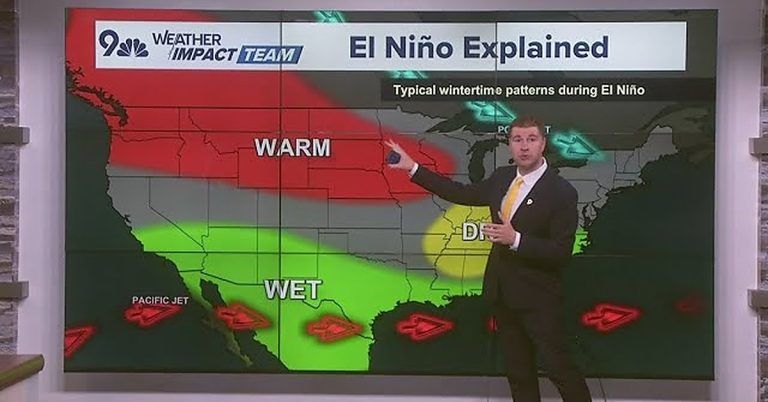
Colorado Winter Outlook and What It Means for Your Home
Energy Audit ArticlesIf you've searched "Colorado winter outlook" recently, you've probably landed on a weather.gov PDF or a sk…
Read More »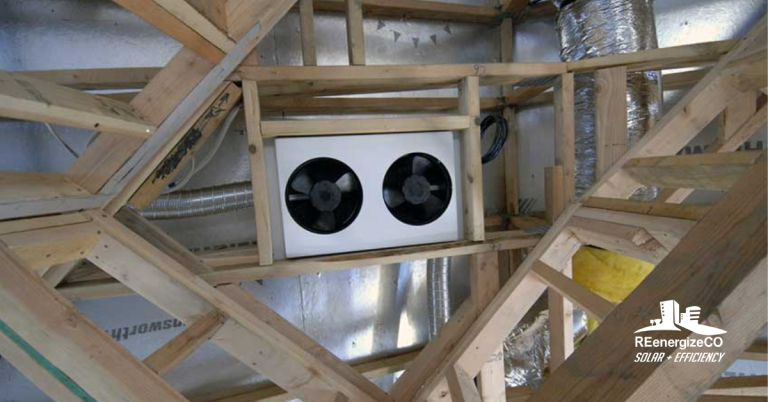
Whole House Fan vs. Air Conditioning
Articles on Energy SavingSpending a fortune on spring and summer air conditioning in your Colorado home? There's a better, cheaper …
Read More »
How to Keep Your House Cool in the Summer
Articles on Energy SavingBy mid-July, a Front Range home without a cooling strategy can hit 85°F indoors by noon, even with the air…
Read More »